I managed to see four films at this year’s Tokyo International Film Festival, despite the usual struggle to buy tickets as a non-journalist/VIP and the fact that most of my first-choice films were sold out within minutes. But here are my thoughts on what I saw.
Underground (Kaori Oda, 2024)
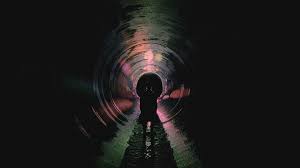
Kaori Oda makes quietly experimental documentary features and shorts (Cenote, from 2019, focused on sinkholes in the Yucatan and the people that lived around them). With Underground, she mixes fiction (an actress, Nao Yoshigai, serves as a kind of guide through the various spaces Oda films), history (an Okinawan man narrates pieces of wartime history from several caves in Okinawa), and collections of moving images and sounds in various underground spaces (subways, the aforementioned caves). The sound design is particularly fascinating–airplanes screech overhead, the tinkling sound of someone sifting through broken pieces of coral repeats throughout, water drips and echoes. It honestly didn’t work for me–I just couldn’t really tell what the film was trying to be, and it kind of felt spread a bit thin between documentary, fiction, and experimental sound/image-scape–but Oda is taking risks and making interesting choices.
Seisaku no tsuma/The Wife of Seisaku (1965, Yasuzō Masumura)
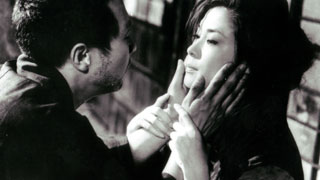
Yasuzō Masumura is enjoying a bit of a renaissance at the moment, having been the subject of a few retrospectives in the U.S. and Japan, where he’s highly regarded by a lot of film scholars but not as well-known as Ozu, Kurosawa, Naruse, and Oshima. The Wife of Seisaku feels like a very standard wartime melodrama during its first half, which tells the story of Okane, who moves back to her rural hometown with her mother after the death of the much older man she’d effectively been sold to as a teenager. Okane is despised by the villagers because of her past (and delightfully gives no fucks about it), but she ends up falling in love with Seisaku, the town’s golden boy and a true believer in Japan’s wartime ideology (the film takes place in the lead up to the Russo-Japanese War in the beginning of the 20th century). And then in the film’s second half, things take…a very shocking turn, and the visual style gets a lot odder and more interesting. A really fascinating film to see on a big screen.
Missing Child Videotape (Ryuta Kondo, 2024)
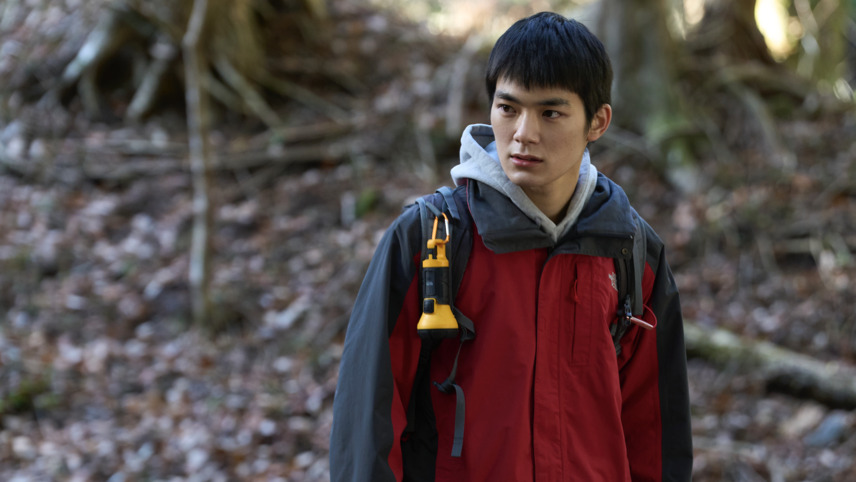
You can read my full review here.
Dahomey (Mati Diop, 2024)
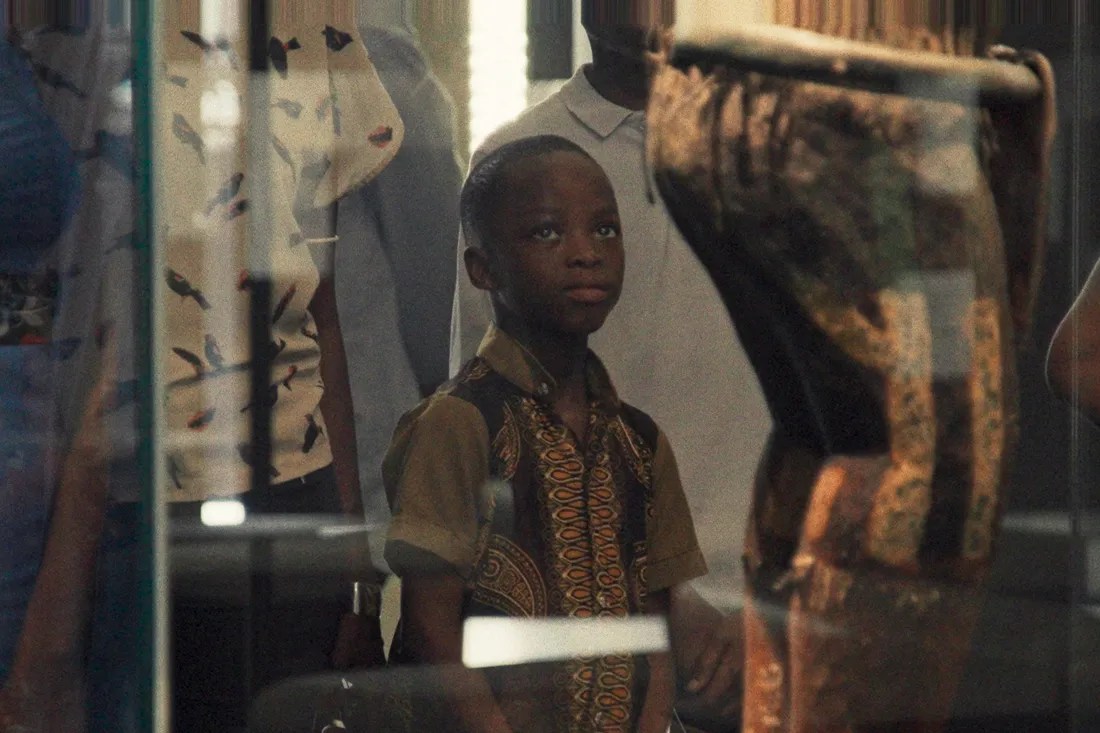
From the first two shots–of a shadowy figure selling gaudy light-up Eiffel Tower souvenirs on the street to a posh-looking group of diners on a boat going down the Seine–I knew that Dahomey was going to be something special. I adored Mati Diop’s Atlantics (2019), and while Dahomey is a very different film, it has that same sense of barely suppressed rage combined with heartbreakingly beautiful images and writing. The legacies of colonial violence and theft are shown through the journey of 26 artifacts from Paris back to Benin (formerly the Kingdom of Dahomey), the impassioned discussions that their repatriation inspires, and the haunting, otherworldly “voice” of these treasures that echoes and rumbles throughout the theater, usually against a black screen (Diop has apparently been very particular about the sound quality in all the theaters where Dahomey has screened). Just stunning.
 eiga files